5 Butterfly Haircut Medium Trendy Layered Styles to Try
Introduction: Why the Medium Butterfly Haircut Is Dominating Modern Hair Trends
The beauty industry is constantly evolving, with new trends emerging every season, but only a few styles manage to achieve lasting popularity. One of those rare trends is the butterfly haircut—a layered hairstyle that has quickly become a favorite among stylists, influencers, and everyday individuals looking for a fresh yet practical transformation. While this haircut exists in various lengths, the medium butterfly haircut has carved out its own space as the most versatile and wearable version.
What makes the medium length so appealing is its balance. It’s long enough to allow for styling creativity yet short enough to feel light, manageable, and modern. In a world where people want both beauty and convenience, this haircut delivers on both fronts. The layers are carefully designed to create movement and volume without overwhelming the natural structure of the hair, giving it that signature “floating” effect that resembles butterfly wings.
Another reason for its popularity lies in how adaptable it is. Whether your hair is straight, wavy, fine, thick, or somewhere in between, the medium butterfly haircut can be customized to enhance your natural texture. It doesn’t demand perfection—it actually thrives on a slightly undone, effortless finish, which aligns perfectly with today’s beauty standards that favor natural elegance over rigid styling.
This guide dives deep into five standout medium butterfly haircut variations. Each one offers a unique take on layering, volume, and face framing, ensuring there’s something here for every preference and personality.
Understanding the Butterfly Haircut: The Art of Layering and Movement
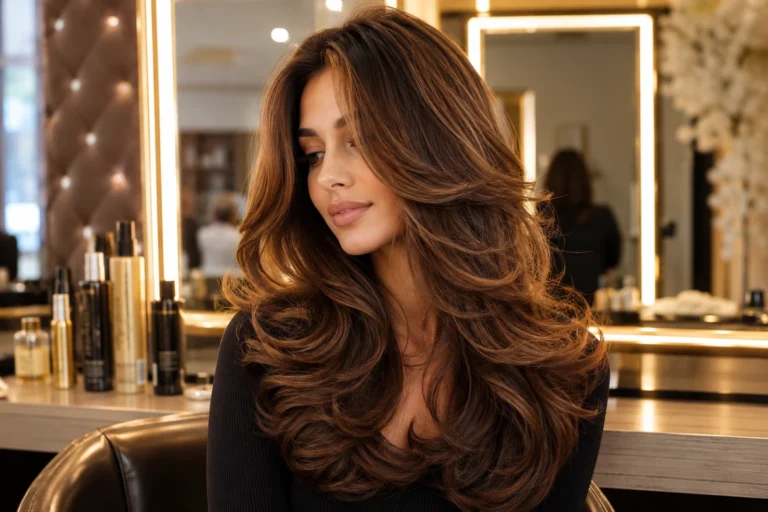
At its core, the butterfly haircut is a strategic layering technique that creates dimension and flow. Unlike traditional layered cuts that may feel heavy or overly structured, this style focuses on softness and airiness. The top layers are cut shorter, often beginning around the chin or cheekbones, while the lower layers are left longer to maintain length and fullness.
This contrast between short and long layers is what gives the butterfly haircut its signature shape. The shorter pieces lift the hair around the face, adding volume and bounce, while the longer layers provide depth and continuity. The result is a hairstyle that looks dynamic from every angle, moving naturally with every turn of the head.
What truly sets this haircut apart is how it mimics the illusion of having both short and long hair at the same time. When styled with volume, the shorter layers become more prominent, creating a shoulder-length appearance. When worn sleek, the longer layers take center stage, giving the impression of a longer hairstyle. This duality is what makes it so appealing to those who want flexibility without committing to a drastic change.
Additionally, the butterfly haircut works harmoniously with modern styling techniques such as blowouts, soft curls, and even air-drying. It doesn’t rely on heavy products or complex routines, making it accessible for everyday wear while still offering a polished, salon-quality look.
1. Classic Medium Butterfly Layers: Timeless Volume and Effortless Beauty
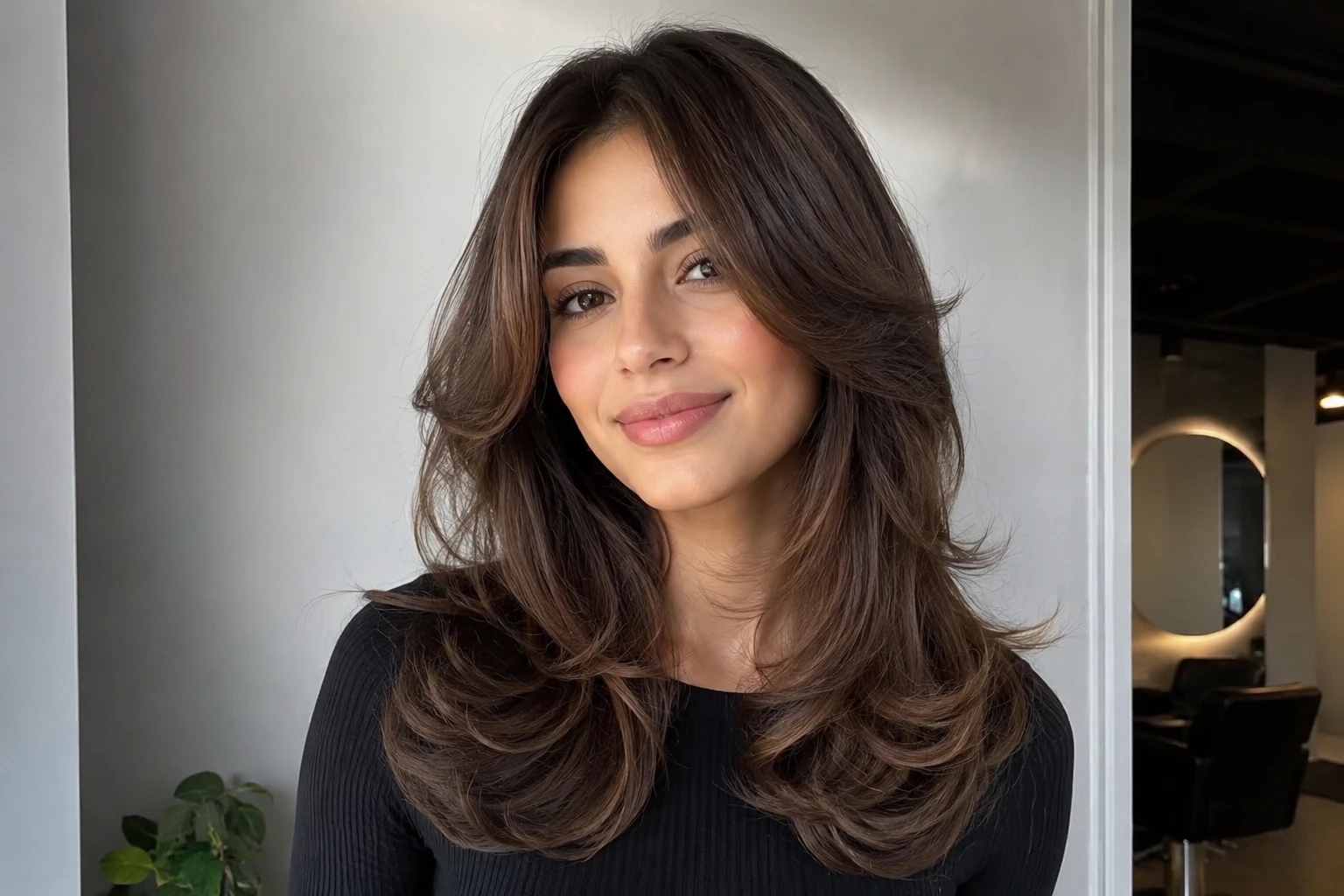
The classic medium butterfly haircut is the foundation of this trend and remains one of the most requested variations in salons. This version focuses on balanced layering, where the transition between short and long layers is smooth and seamless. The face-framing pieces are soft and subtle, enhancing facial features without overpowering them.
What makes this style particularly appealing is its universality. It suits almost every face shape and hair type, making it a safe yet stylish choice for those trying the butterfly haircut for the first time. The layers add just enough volume to prevent the hair from looking flat, while still maintaining a natural, understated appearance.
From a styling perspective, the classic version is incredibly versatile. It can be worn with a voluminous blowout for a more glamorous look or styled with loose waves for a relaxed, everyday vibe. Even when left unstyled, the layers naturally fall into place, creating a soft, lived-in look that feels effortlessly chic.
Maintenance is also relatively simple. Regular trims help maintain the structure of the layers, but the overall style grows out gracefully, meaning fewer urgent salon visits. This makes it ideal for individuals who want a low-maintenance haircut that still looks intentional and polished.

2. Curtain Bangs Butterfly Cut: Soft Framing and Modern Romance
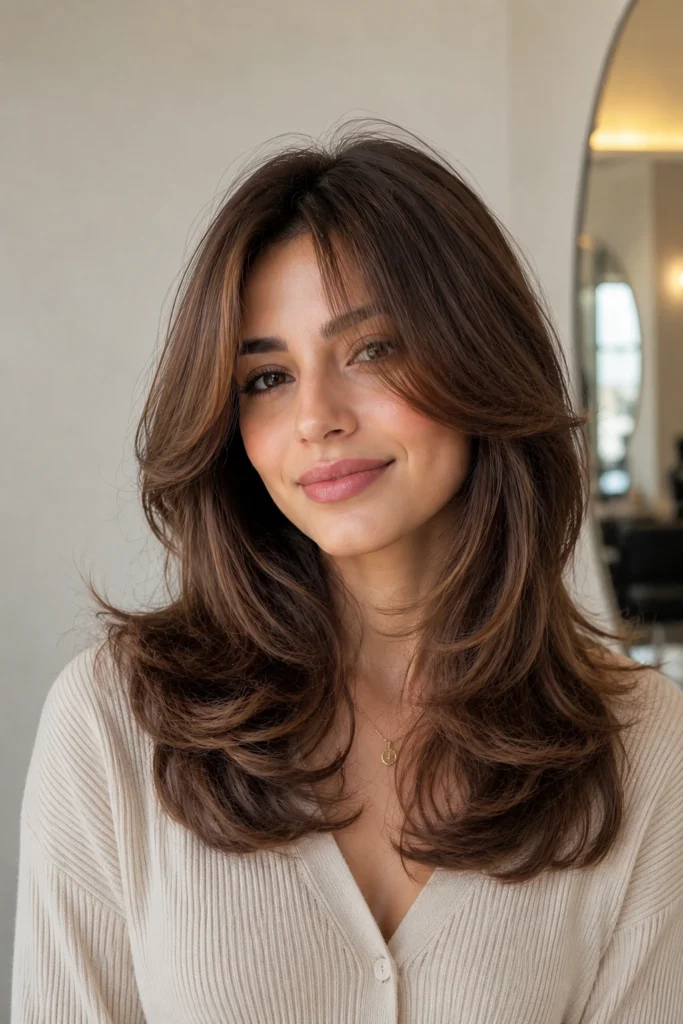
Adding curtain bangs to a medium butterfly haircut introduces an entirely new dimension of style. Curtain bangs are characterized by their parted, face-framing shape that blends seamlessly into the rest of the layers. When combined with the butterfly cut, they enhance the overall softness and movement of the hairstyle.
This variation is particularly flattering because it draws attention to the eyes and cheekbones while gently framing the face. It creates a balanced look that feels both youthful and sophisticated. The bangs are not blunt or heavy; instead, they are wispy and layered, allowing them to integrate naturally with the rest of the haircut.
One of the biggest advantages of curtain bangs is their flexibility. They can be styled to look more defined for a polished appearance or left slightly tousled for a relaxed, effortless vibe. This adaptability makes them a great option for those who want to experiment with bangs without committing to a more dramatic fringe.
In terms of maintenance, curtain bangs require a bit more attention than the rest of the haircut. Regular trims help keep them at the ideal length, and a quick styling routine—such as blow-drying with a round brush—can make a significant difference in how they frame the face. Despite this, the overall upkeep remains manageable, especially considering the impact they have on the final look.
3. Textured Butterfly Cut for Fine Hair: Creating the Illusion of Volume
For individuals with fine or thin hair, achieving volume can often feel like a constant challenge. The textured medium butterfly haircut offers a solution by using strategic layering to create the illusion of fullness and density. Unlike blunt cuts that can make fine hair appear flat, this style introduces movement and lift where it’s needed most.
The key to this variation lies in subtle texturizing. The layers are carefully crafted to avoid removing too much weight, which could make the hair appear even thinner. Instead, they are designed to add dimension and separation, allowing the hair to move more freely and appear more voluminous.
This style works particularly well when paired with lightweight styling products that enhance volume without weighing the hair down. A volumizing mousse or root-lifting spray can significantly amplify the effect of the layers, creating a fuller, more dynamic look.
Another advantage of this haircut is how it responds to different styling techniques. Blow-drying with a round brush can create a bouncy, lifted appearance, while soft waves can add texture and depth. Even simple air-drying can produce a բնական, airy finish that highlights the layered structure.
Overall, the textured butterfly cut is an excellent choice for those who want to maximize volume while maintaining a natural, effortless aesthetic.
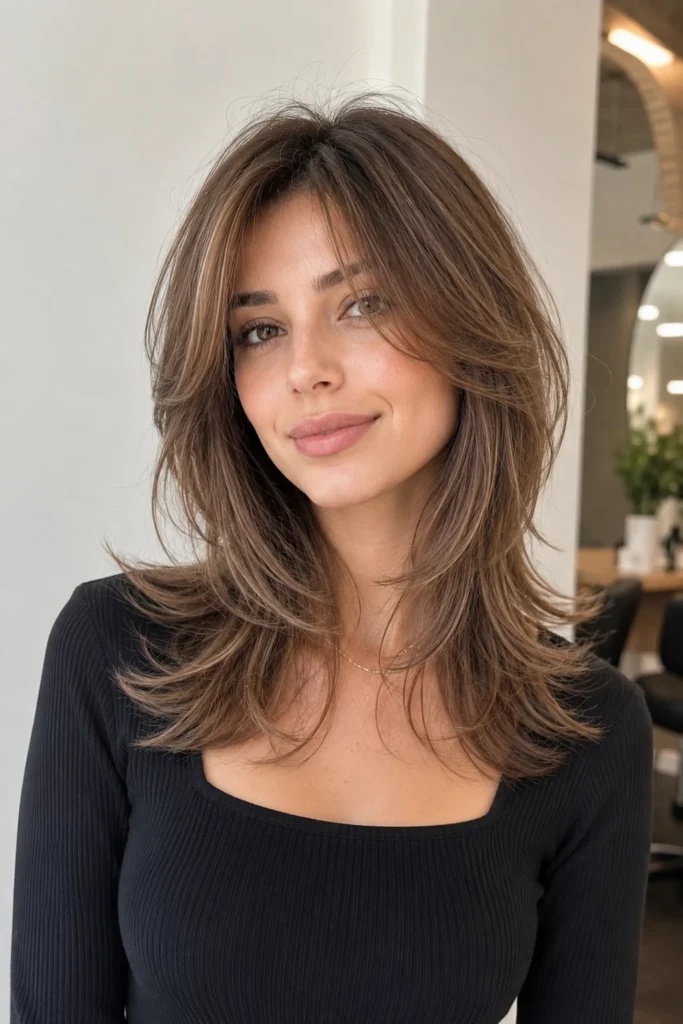
4. Wavy Medium Butterfly Cut: Embracing Natural Texture and Movement
The wavy medium butterfly haircut is all about celebrating natural texture. Instead of working against waves or curls, this variation enhances them, allowing the hair’s բնական movement to take center stage. The layers are designed to complement the natural pattern of the hair, creating a harmonious and cohesive look.
One of the most appealing aspects of this style is its low-maintenance nature. Because it works with the hair’s natural texture, it requires less heat styling and fewer products. This not only saves time but also helps maintain the health of the hair in the long run.
The layers in this variation are slightly more pronounced, as they help define and separate the waves. This prevents the hair from appearing at the ends, instead giving it a, airy feel. The result is a hairstyle that looks effortlessly stylish, as if it required minimal effort to achieve.
Styling this look often involves simple techniques such as scrunching with a curl-enhancing cream or using a diffuser to the hair while maintaining its natural shape. The goal is not perfection but rather enhancing what is already there.
This variation is perfect for those who prefer a relaxed, beachy aesthetic and want a haircut that aligns with a more natural approach to beauty.
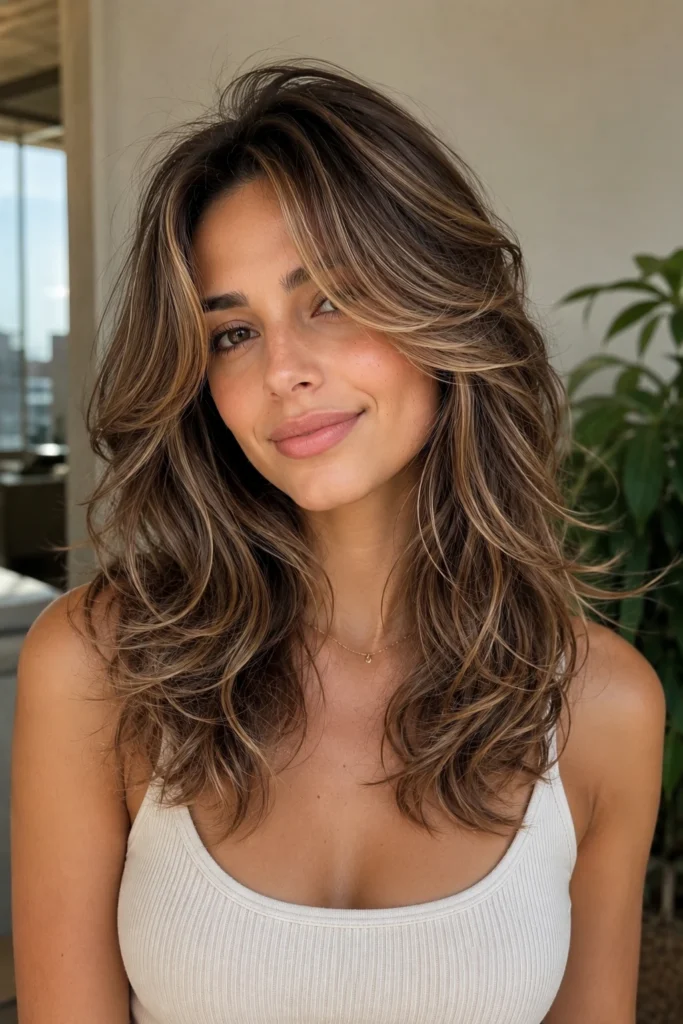
5. Sleek Butterfly Cut with Face-Framing Layers: Polished and Professional Elegance
For those who prefer a more refined and polished look, the sleek medium butterfly haircut offers a sophisticated alternative. This variation focuses on smooth, well-defined layers that frame the face with precision. The emphasis is on shine, structure, and clean lines, creating a hairstyle that feels both modern and professional.
Unlike the more textured or wavy versions, this style relies on sleek styling techniques to highlight the layers. Straightening the hair or creating a smooth blowout allows the different lengths to stand out clearly, showcasing the craftsmanship of the cut.
This variation is particularly well-suited for formal settings or professional environments where a polished appearance is preferred. It exudes confidence and elegance while still maintaining the and dimension that define the butterfly haircut.
Maintaining this look may require a bit more effort in terms of styling, as achieving a smooth finish often involves heat tools and finishing products such as serums or sprays. However, the result is a sleek, glossy hairstyle that feels timeless and sophisticated.
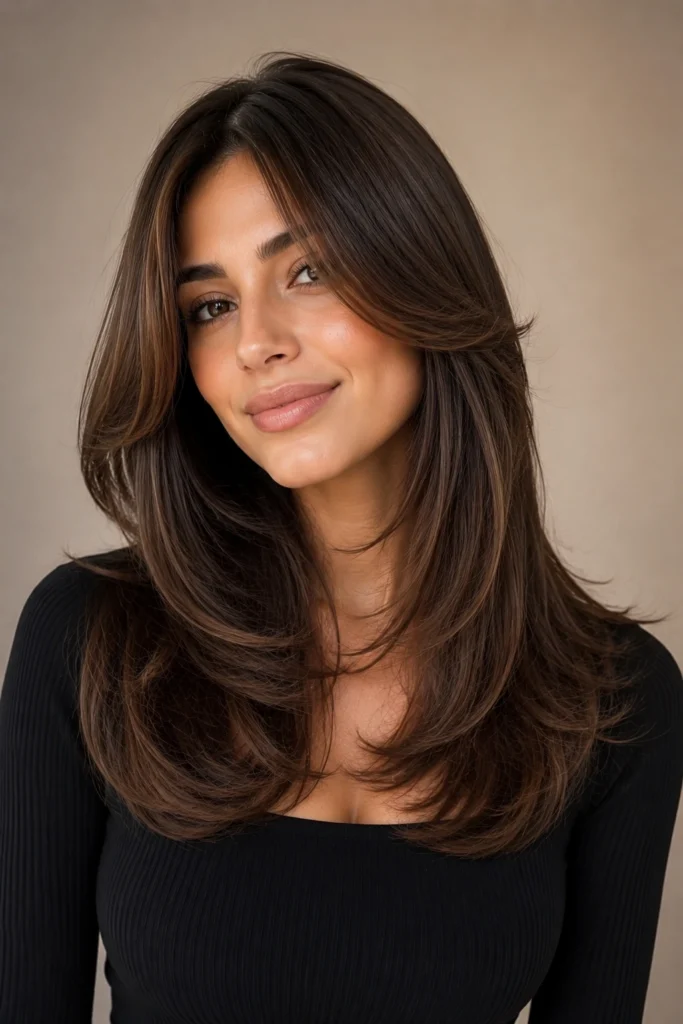
How to Communicate with Your Stylist for the Perfect Result
Getting the perfect medium butterfly haircut starts with clear communication. While the concept may seem straightforward, the execution can vary depending on the stylist’s interpretation. Providing detailed guidance and reference images can help ensure that the final result aligns with your expectations.
It’s important to discuss where you want the shortest layers to begin, how much length you want to keep, and the overall level of volume you’re aiming for. Mentioning specific elements—such as face-framing layers, curtain bangs, or texture—can also help your stylist tailor the cut to your preferences.
Additionally, consider your daily routine and styling habits. A good stylist will take these factors into account, recommending a version of the butterfly haircut that fits seamlessly into your lifestyle.
Maintenance and Long-Term Care: Keeping Your Layers Fresh and Defined
Maintaining a medium butterfly haircut involves a combination of regular trims and proper hair care. Because the style يعتمد heavily on layers, keeping those layers defined is essential to preserving the overall look.
Trimming every six to eight weeks helps maintain the structure and prevents the layers from becoming uneven. Using lightweight products ensures that the hair retains its natural movement without becoming weighed down.
It’s also important to use tools and techniques when styling. A round brush, a blow dryer, and minimal heat exposure can go a long way in keeping the hair healthy and vibrant.
Final Thoughts: Why the Medium Butterfly Haircut Is Worth Trying
The medium butterfly haircut is more than just a passing trend—it’s a versatile, flattering style that adapts to a wide range of preferences and lifestyles. Its ability to combine volume, movement, and length makes it a standout choice for anyone looking to refresh their look without making a drastic change.
Whether you prefer a classic, textured, wavy, or sleek variation, this haircut offers endless possibilities. It’s a style that evolves with you, allowing for creativity and personalization while maintaining a timeless appeal.
If you’re ready to embrace a haircut that feels modern, effortless, and uniquely yours, the medium butterfly haircut might be exactly what you’ve been looking for.